


Smart locks promise convenience and security, and the good ones deliver both. What the marketing tends to leave out is the total cost of ownership. The sticker price on the box is rarely the price you actually pay over the years you own it, and the extras are easy to miss until you are already committed.
This is not an argument that smart locks are bad. It is an argument for going in with your eyes open. Once you add up the hub, the fitting, the batteries and the occasional subscription, a mid-range smart lock can quietly cost two to three times its shelf price across five years. Here is where the money actually goes, and how to work out whether you need all of it.
The true five-year cost of a mid-range smart lock in the UK is roughly £425 to £725 once you include a hub, professional fitting, batteries and any subscription. The biggest hidden line is batteries: motorised smart locks typically need fresh cells every 3 to 6 months, while a passive lock monitor runs 18 months on a single coin cell. Some UK home insurers also have clauses about altering or replacing your door locks, which is worth checking before you swap the mechanism. If you only want to know your door is locked rather than control it, a monitor avoids nearly all of these costs.
The Hidden Costs, One by One
1. Hub or bridge, often sold separately
Many smart locks work over Bluetooth by default, which only reaches across a room or two. To lock, unlock or check the door while you are out, you need a Wi-Fi hub or bridge, and it is frequently an add-on rather than part of the box. Budget £30 to £80 extra, and check the specific model, because some brands make the bridge effectively mandatory for the features you bought the lock for.
2. Professional installation
A smart lock replaces your existing cylinder or deadbolt, which means removing working hardware and fitting a motorised unit that has to line up precisely to avoid jamming. Plenty of people are comfortable doing this themselves, but many pay a locksmith, especially on a euro-cylinder door where sizing matters. Typical fitting runs £50 to £150.
3. Battery replacement, the cost nobody mentions
This is the one that adds up quietly. A motorised smart lock drives a bolt with a motor, and motors drain batteries. Real-world life is commonly 3 to 6 months per set of cells, and dead batteries are not a minor inconvenience: they can leave you locked out or force you to fall back on the key you were trying to stop carrying. Over five years that is roughly £75 to £150 in batteries, plus the mental overhead of remembering.
Compare that with a passive lock monitor. Because it only senses the position of the lock and never moves anything, it sips power. A single CR2032 coin cell lasts 18 months, and the app warns you weeks before it runs low. Over five years that is around three coin cells, a few pounds in total, with no risk of being locked out when they fade.
The battery maths, plainly. A smart lock on a 3 to 6 month cycle needs its batteries changed 10 to 20 times across five years. A lock monitor on a coin cell needs changing about three times. Same door, very different maintenance, and the monitor never leaves you stranded on the doorstep.
4. Subscription fees
Some brands put activity history, unlimited user codes, video features or cloud storage behind a subscription. Others do not. The range is wide, from £0 to £100 a year, so read the small print before you buy: a cheap lock with a pricey subscription can cost more over five years than a dearer lock with none.
5. The replacement cycle
A traditional mechanical lock lasts 15 to 20 years or more. A smart lock is a piece of consumer electronics with a motor, a radio and firmware, and it ages like one. Expect a practical life of 5 to 7 years before a motor tires, a battery contact corrodes, an app is discontinued or the brand drops support for your model. That shorter cycle is a real cost, even if it does not show up on day one.
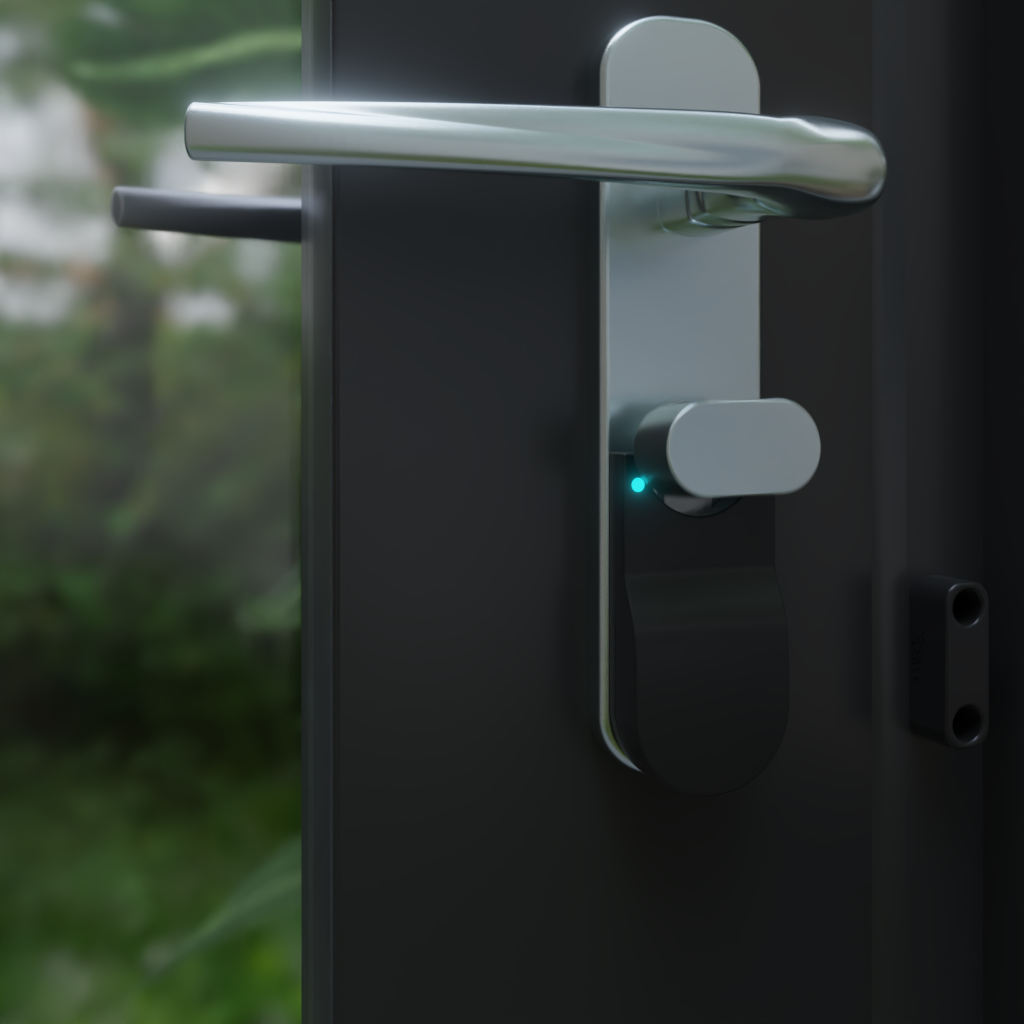
Never forget to lock your doors again.
Locksure fits over the lock you already have and shows its locked or unlocked state on your phone, from anywhere. No drilling, no lock replacement.
See how it works →The True Five-Year Cost
True Cost of Smart Lock Ownership (5 Years, UK)
| Smart lock, mid-range | £150-£250 |
| Hub or bridge (often required) | £30-£80 |
| Professional installation | £50-£150 |
| Batteries, 3-6 month cycle over 5 years | £75-£150 |
| Subscription, if applicable | £0-£300 |
| 5-Year Total | £425-£725 |
Figures are indicative UK retail ranges drawn from manufacturer battery specifications and typical retailer and locksmith pricing. Your exact total depends on the model, whether the bridge is included, whether you fit it yourself and whether the brand charges for premium features. The point is not the precise number but the shape of it: the box price is often less than half of what you pay.
If the honest question is "do I need to control my lock from my phone, or just know it is locked?", it is worth pricing the second answer before committing to the first. A lock monitor gives you the visibility without the motor, the hub, the fitting bill or the battery treadmill.
The Insurance Angle Most People Miss
There is one more cost that is easy to overlook because it only shows up if something goes wrong: your home insurance. UK home insurance policies typically specify the standard of lock required on final exit doors, and many name British Standard mortice or euro-cylinder locks by BS number. Some policies include clauses about altering or replacing those locks, and a few are wary of motorised or electronically operated locks, or require that any replacement still meets the specified British Standard. Full guide: do smart locks affect your UK home insurance (BS3621 and TS007 explained).
Swapping your certified cylinder for a smart lock can, on some policies, affect a claim if the replacement does not meet the wording, or if the terms were not updated when you changed the hardware. It is rarely a dealbreaker, but it is worth a two-minute call to your insurer before you replace a lock, and worth keeping the paperwork if you do. A lock monitor sidesteps this entirely: it fits over the lock you already have and changes nothing about the mechanism, so your existing, insurance-approved lock stays exactly as it is.
The Non-Financial Costs
Security trade-offs
Any internet-connected lock is, in principle, an attack surface. If an account is compromised, the worst case is that someone can move the bolt. A monitor has no motor and no ability to open the door, so the worst case is that someone learns whether your door is locked, which is far less serious.
Reliability concerns
Motor failures, connectivity drops, app crashes and flat batteries all put a motorised lock between you and your own front door. More moving parts and more software mean more ways to be locked out. A passive monitor has none of that in the critical path, because your key and cylinder still work exactly as before.
Dependency on the maker
A smart lock ties you to a company staying in business and keeping your model supported. If the app is discontinued or the servers are switched off, features can vanish from a lock you already paid for.
When a Smart Lock Is Genuinely Worth It
- Short-let and Airbnb hosts: guest access codes that expire are genuinely valuable and hard to replicate any other way.
- Frequent trusted visitors: carers, cleaners or family with their own codes rather than shared keys.
- A committed keyless setup: if never carrying a key is the whole point, a smart lock earns its keep.
If none of those describe you, and the real goal is simply peace of mind that the door is locked, most of the costs above are money spent on capability you will not use.
Frequently Asked Questions
How much does a smart lock really cost over five years?
For a mid-range UK smart lock, roughly £425 to £725 once you add a hub, professional fitting, batteries and any subscription to the sticker price. The exact figure depends heavily on whether the bridge is included and whether the brand charges for premium features.
Why do smart locks go through batteries so fast?
They use a motor to physically move the bolt, and driving a motor many times a day drains cells quickly, often every 3 to 6 months. A passive lock monitor only senses position and never moves anything, so it lasts 18 months on a single coin cell.
Will a smart lock affect my home insurance?
It can. UK policies usually specify a lock standard on exit doors, and some have clauses about altering or replacing those locks. Check the wording with your insurer before swapping the mechanism. A monitor avoids the issue because it leaves your existing approved lock in place.
What is the cheapest way to know my door is locked?
A lock monitor. It fits over your existing lock, needs no hub or fitting bill, has no subscription, and runs 18 months per battery, so the ongoing cost is a few pounds rather than tens of pounds a year.
All the peace of mind, none of the running costs
Locksure shows whether your door is locked, on your phone, from anywhere. It fits over the lock you already have, so there is no hub to buy, no fitting bill, no subscription and no insurance headache. The battery lasts 18 months. From £59.99.
See how it works →