


You're on the train to work. Or lying in bed at midnight. And suddenly the thought appears: "Did I lock the door?" If this sounds familiar, you're in very good company.
of UK adults have, at some point, left home unsure whether they'd locked the door (London Key survey, 2018)
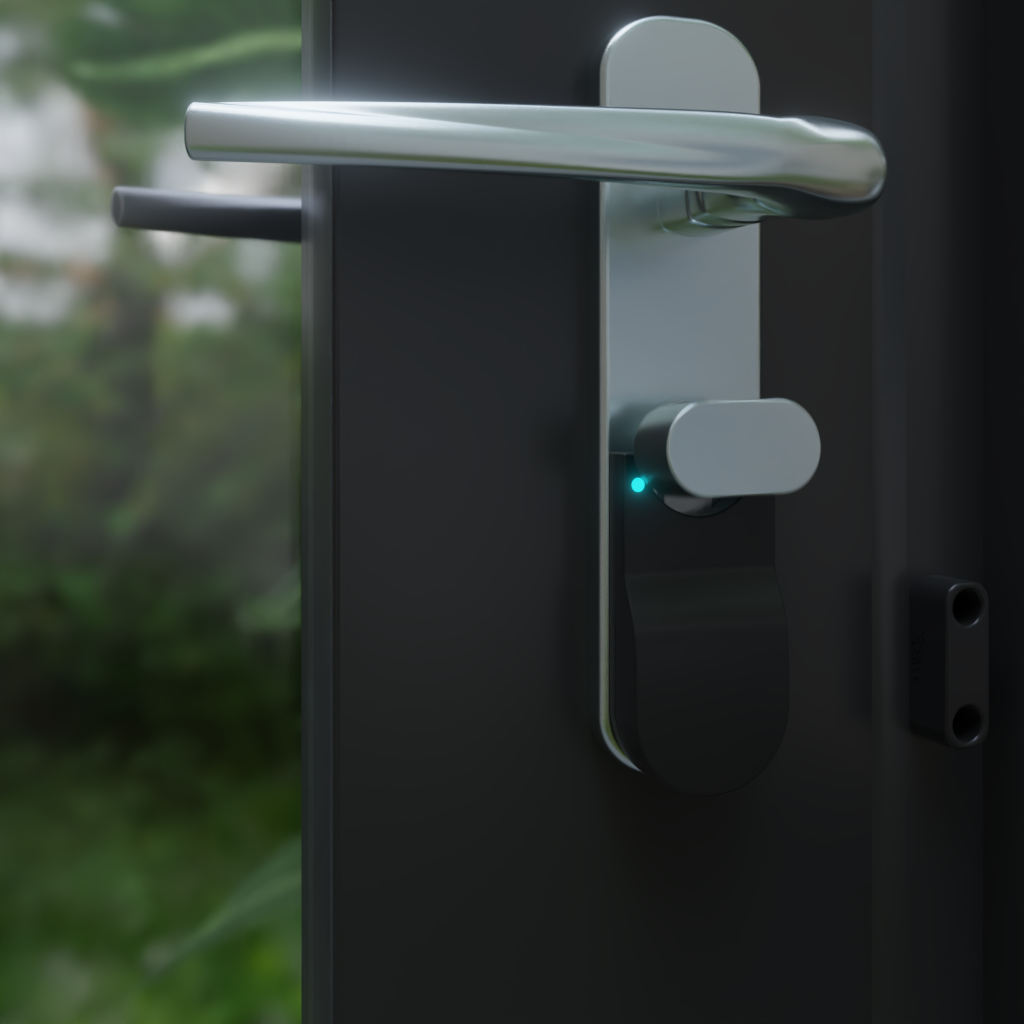
Never forget to lock your doors again.
Locksure fits over the lock you already have and shows its locked or unlocked state on your phone, from anywhere. No drilling, no lock replacement.
See how it works →Why This Happens
Locking your door is what psychologists call an automatised behaviour. Your brain runs it on autopilot. The problem: autopilot actions don't create strong memories. Later, you genuinely can't recall if you did it.
When Worry Becomes a Problem
Occasional uncertainty is normal. But for some people, it becomes more:
- Checking multiple times before being able to leave
- Turning back during commutes to verify
- Unable to focus at work because of the nagging doubt
- Sleep disrupted by wondering if the house is secure
When to seek support: If checking behaviours significantly disrupt your daily life or take more than an hour of your day, this may indicate OCD or anxiety that benefits from professional support. Your GP can refer you for appropriate help.
Practical Strategies That Help
1. Create a Locking Ritual
Say "I am locking the door now" out loud. Touch the locked door. This interrupts autopilot just enough to create a memory.
2. Reduce Morning Chaos
The more rushed you are when leaving, the less attention is available for encoding memories. Prepare the night before.
3. Get External Confirmation
For many people, the most effective solution is removing reliance on memory entirely. If you can see that the door is locked, not remember, but see, the doubt has nowhere to go. You can now check whether you locked the door from your phone, from anywhere.
This is what a lock monitor does. It's a small sensor that sits over the lock you already have and reports its actual state, locked or unlocked, to an app on your phone. There's no motor and nothing to install into the door itself, so it isn't controlling the lock, only watching it. When the "did I lock the door?" thought shows up on the train or at midnight, you check the app instead of your memory, and the question is answered in seconds rather than a return trip.
The One-Check Rule
- Before leaving, check the door once with full attention
- Confirm it's locked (try the handle)
- If it's locked, commit to that being enough
- If doubt arises later, remind yourself: "I checked. It was locked." Or open the app and look.
See It. Know It. Move On.
Locksure fits over the lock you already have and shows its state on your phone, from anywhere. No drilling, no lock replacement, no subscription, and the battery lasts 18 months. From £59.99.
See how it works →The Bigger Picture
The "did I lock the door?" worry is rarely really about the door. It's about safety, control, and the uncomfortable feeling of uncertainty. The goal isn't to never think about the door, it's to resolve it quickly and move on with your day.
Related reading
- Matter Thumb Turn lock sensor - from £59.99, 18-month battery
- Why People Forget to Lock Their Doors
- OCD and Lock Checking