


How common is burglary in the UK? When do most break-ins happen? And how many could have been prevented simply by locking the door?
This article breaks down the latest burglary statistics for England and Wales, cutting through the noise to give you the facts that actually matter for protecting your home.
The Crime Survey for England and Wales estimates 342,000 domestic burglaries in the year ending September 2025, down 20% on the year before. Roughly a quarter still happen through a door or window that was simply left unlocked, not forced. Most break-ins happen in daylight when houses look empty, and only around 5% of burglaries end in a charge. Basic habits, actually locking up, visible security, an occupied appearance, prevent more burglaries than any single piece of technology.
Jump to
domestic burglaries estimated in England & Wales, year ending September 2025 (down 20% year on year)
The Scale of the Problem
According to the Crime Survey for England and Wales (CSEW), the survey-based measure that also captures crimes never reported to police, there were an estimated 342,000 domestic burglaries in England and Wales in the year ending September 2025, a fall of 20% on the previous year. Police recorded crime tells a similar story from a different angle: burglary offences (residential and non-residential combined) fell 9% to 223,456 in the year ending March 2026, in the most recent ONS release, published 23 July 2026.
That translates to roughly 940 domestic burglaries every day, or about one every 90 seconds.
Context is still needed here. Burglary rates have fallen significantly over the past two decades, and the most recent year continued that trend rather than breaking it. The risk to any individual household remains relatively low in absolute terms, though certain areas and property types face higher risk.
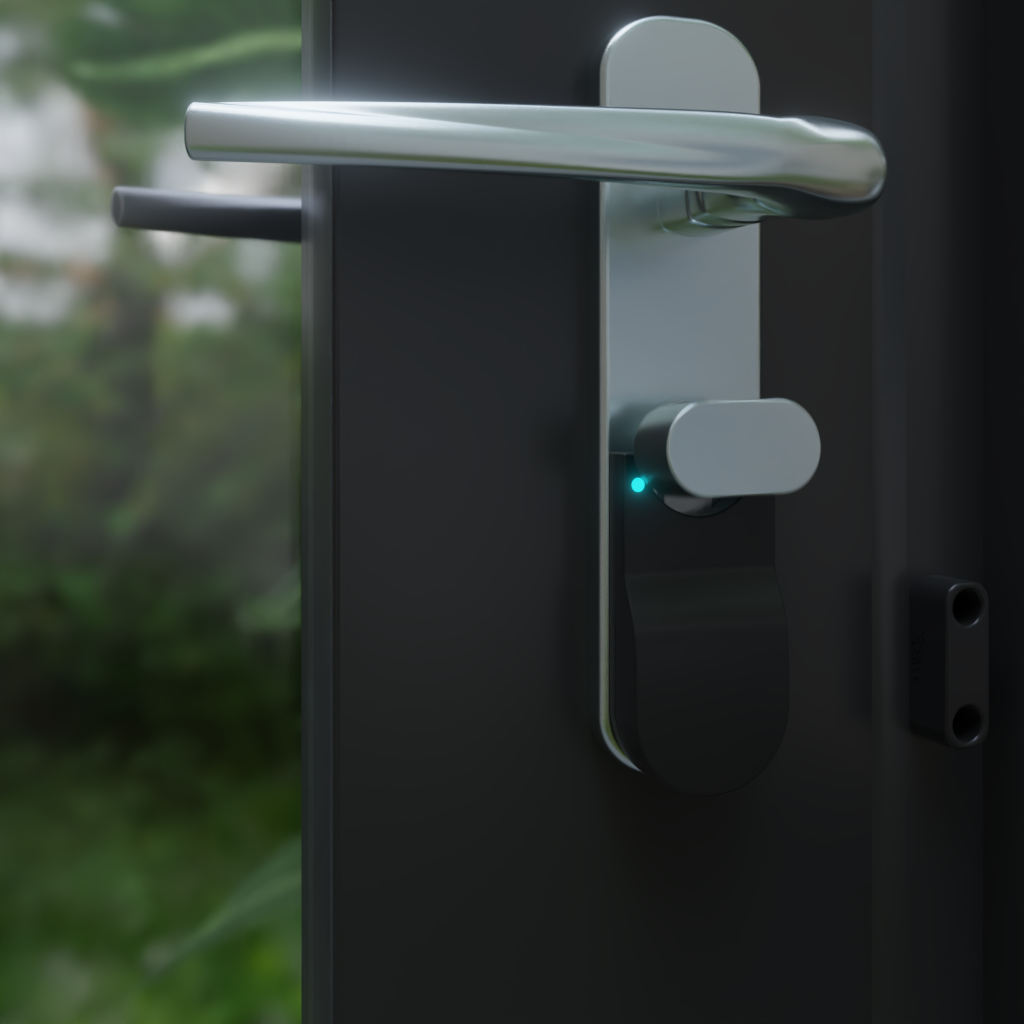
Never forget to lock your doors again.
Locksure fits over the lock you already have and shows its locked or unlocked state on your phone, from anywhere. No drilling, no lock replacement.
See how it works →The Unlocked Door Problem
Here's the statistic that should give every homeowner pause: See how a door lock monitor closes that gap.
of burglaries occur through unlocked doors or windows
That's right, roughly one in four burglaries involves no forced entry at all. The burglar simply walked in through a door or window that wasn't secured.
This figure comes from the ONS Nature of Crime: burglary dataset, which breaks the Crime Survey for England and Wales down by method of entry, and it has remained stubbornly consistent over the years. It represents tens of thousands of burglaries annually that could have been prevented by the simple act of locking up.
Key insight: The most sophisticated alarm system in the world can't protect you if the front door is unlocked. Basic security discipline, actually locking doors and windows, prevents more burglaries than any technology.
When Burglaries Happen
Contrary to the popular image of the masked midnight intruder, most burglaries don't happen in the dead of night:
occur when someone is home
happen during daylight hours
Peak Times for Burglary
- Mid-morning (10am-12pm): Many people at work, houses appear empty
- Early afternoon (1pm-3pm): After lunch lull, before school pickup
- School run time (3pm-4pm): Predictable absence from home
The pattern makes sense from a burglar's perspective: daylight allows them to see what they're doing, appear less suspicious to neighbours, and identify whether properties are occupied. Most burglars are opportunistic, they want easy targets, not confrontation.
Who Gets Burgled?
Burglary risk isn't evenly distributed. Certain factors increase vulnerability:
Property Type
- Flats and terraced houses have higher burglary rates than detached properties
- Ground floor flats are particularly vulnerable
- Corner properties and those backing onto alleys or parks face increased risk
Location
- Urban areas have roughly double the burglary rate of rural areas
- Areas of higher deprivation see more burglaries
- Properties near transport links may be more vulnerable
Household Factors
- Renters experience higher burglary rates than owner-occupiers
- Households with no security measures have significantly higher risk
- Previous burglary victims face elevated risk of repeat victimisation
What Burglars Take
Modern burglars are typically after items that are:
- Easy to carry (portable electronics, jewellery)
- Easy to sell (cash, phones, tablets)
- Left in obvious places (car keys by the front door)
The rise of car key burglary, where intruders target homes specifically to steal car keys and then the vehicle, has been notable in recent years. Vehicles can be worth tens of thousands, and the keys make theft far easier than hot-wiring.
What Actually Prevents Burglaries
The evidence on burglary prevention is clearer than you might expect:
Proven Deterrents
- Visible burglar alarms: Properties with alarms are less likely to be targeted
- Window locks: Particularly effective for preventing opportunistic entry
- Deadlocks on doors: Much harder to force than standard locks
- External lighting: Motion-activated lights deter approach
- Occupied appearance: Lights on timers, radios, visible activity
Insurers formalise several of these - see what UK home insurance requires from your locks (BS3621 and TS007).
The Basics Matter Most
Research consistently shows that basic security measures, locked doors and windows, visible alarms, good lighting, make more difference than expensive technology. Burglars want easy targets; making your property slightly harder than the neighbour's is often enough.
Worried You Left It Unlocked?
One in four UK burglaries involves no forced entry at all. If you regularly get to the end of the road wondering whether you locked up, that is a memory quirk rather than carelessness, and it is fixable.
Why your brain forgets to lock the door →The Detection Reality
Here's a sobering statistic:
of burglaries result in a charge or summons
Burglary has one of the lowest detection rates of any crime. Most burglars are never caught, and most stolen property is never recovered. This reality underscores the importance of prevention over reliance on the criminal justice system.
What to Do If You're Burgled
If you come home to find you've been burgled:
- Don't enter if you think the intruder might still be inside, call 999
- Try not to touch anything, preserve potential evidence
- Call the police on 101 (or 999 if in progress)
- Document what's missing for police and insurance
- Contact your insurer as soon as practical
- Secure the property, emergency locksmith if needed
Putting It in Perspective
While these statistics paint a concerning picture, it's worth maintaining perspective. The majority of UK households will never experience a burglary. Rates have fallen significantly over the past 20 years, and the year ending September 2025 continued that fall. Simple precautions dramatically reduce your risk.
The 25% figure for unlocked entry is both the most troubling and the most actionable statistic. It represents a problem that costs nothing to solve, just the consistent habit of checking that doors and windows are secured.
✓ Quick Security Checklist
- Are all doors locked when you leave?
- Are windows secured, especially ground floor?
- Is your alarm set and working?
- Are car keys stored away from the front door?
- Does your home look occupied when empty?
- Do you know your door is locked, or just think it is?
The Bottom Line
Burglary statistics tell a consistent story: most break-ins are opportunistic, many are preventable, and basic security discipline matters more than sophisticated technology.
The simplest step you can take? Make sure your door is actually locked. It sounds obvious, but a quarter of burglary victims wish they had.
Sources and figures cited
- 342,000 domestic burglaries, down 20% - ONS, Crime Survey for England and Wales, year ending September 2025
- 223,456 burglary offences (residential and non-residential), down 9% - ONS, police recorded crime, year ending March 2026, published 23 July 2026
- 25% unlocked-entry rate, 58% occupied, 66% daylight - ONS, Nature of Crime: burglary dataset
- 5% charge or summons rate - Home Office outcomes data, published alongside ONS crime statistics
Related reading
- Why People Forget to Lock Their Doors - the memory quirk behind the did-I-lock-it feeling
- How to Stop Worrying About Whether You Locked the Door
- Shop the Locksure range - from £59.99, 18-month battery
- Smart Lock vs Lock Monitor
- Family Safety and Door Monitoring